
Demurrage and Per Diem Explained for Rail Container Shippers
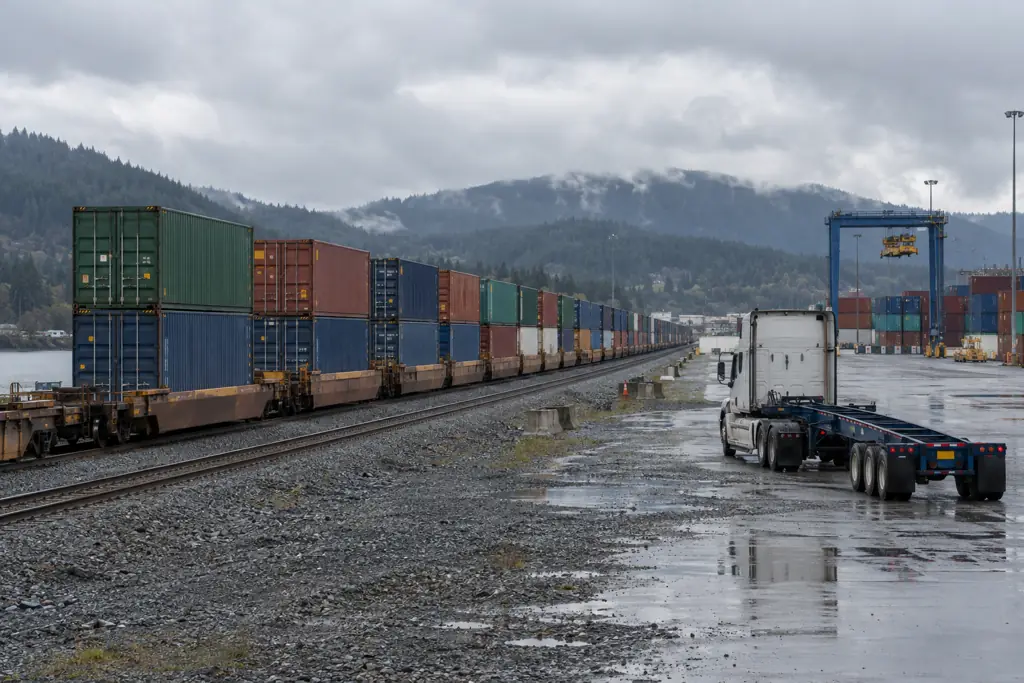
The trucking rate is rarely what surprises shippers. The surprise is usually a bill for time: days a container sat at the terminal, or days it stayed out before going back. Those charges are generally called demurrage and per diem (also called detention). Each company has its own rules, so always check your contracts. Here is how the terms are generally used.
Demurrage: time at the terminal
When your container arrives at a rail terminal or port, you usually get a set number of free days to pick it up. After that, the terminal or the carrier may charge storage or demurrage for each extra day the container sits there.
Per diem or detention: time with you
Once the container leaves the terminal, there's usually another clock: how long you can keep the container (and sometimes the chassis) before returning it. Keep it past the free time and the container owner may charge a daily fee.
How to avoid both
- Know your free time. Ask your freight forwarder or shipping line how many free days you get at the terminal and how many before the empty must be returned.
- Book the truck early. Don't wait for the container to arrive. Line up your trucker as soon as you have an estimated arrival date.
- Unload promptly. The faster the container is emptied, the faster it goes back.
- Keep your paperwork ready. Holds, missing releases and unpaid fees can keep a container at the terminal even when the truck is ready.
Romicj Trans handles every booking directly. When you call, you're speaking to the person who will pick up your container, so pickup windows and return deadlines don't get lost between a dispatcher and a driver.
Want to plan a delivery? See our rail container delivery service or request a quote.